Zora — A Rethink of Crypto Social
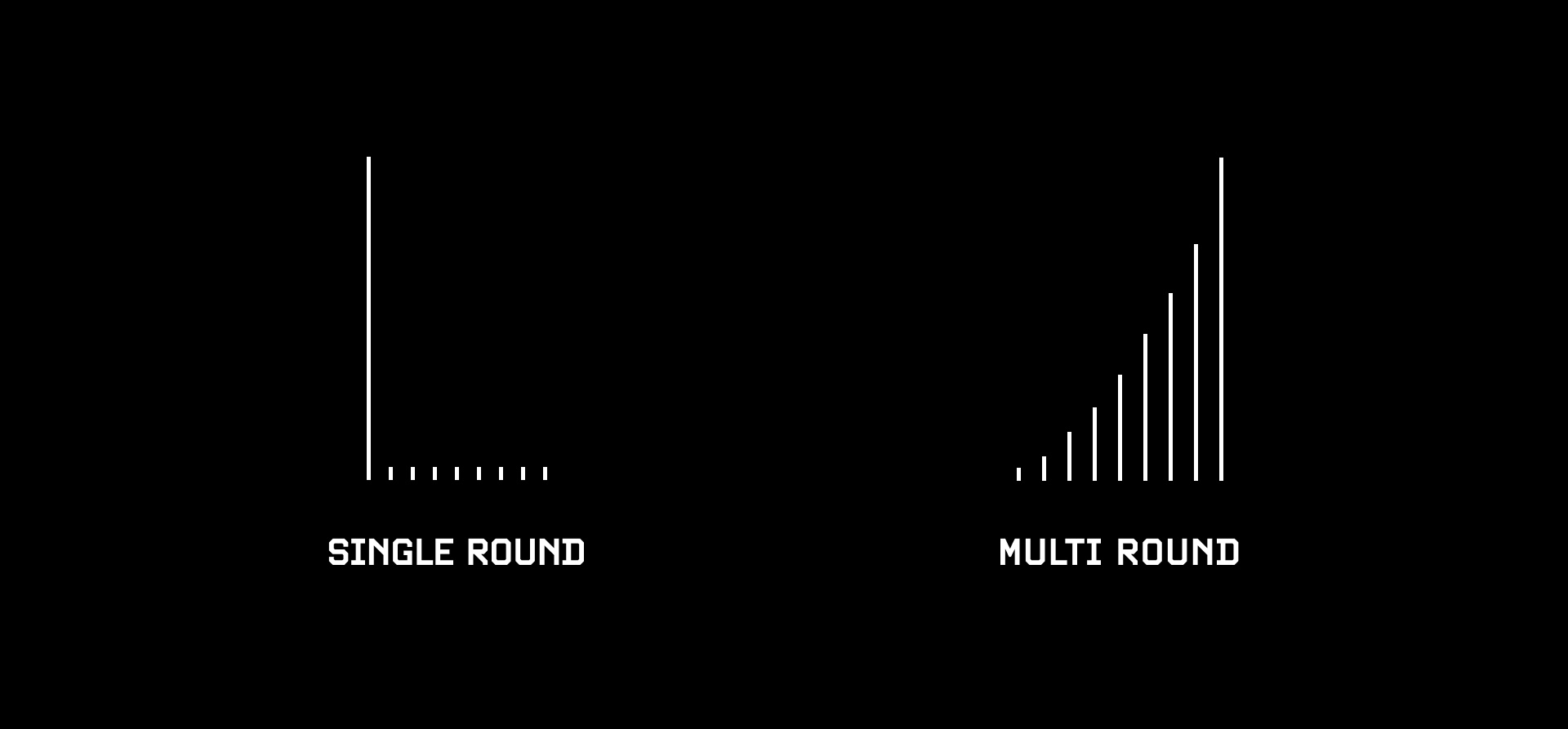
There has been ongoing discourse comparing Zora to Pump.fun, often reducing Zora to a generic, VC-backed fork with minor UI enhancements slapped on top. In my opinion, however, this framing misses a more interesting distinction in mechanism design and game theory.
Pump, in its current form, is fundamentally a single-round social game. You are encouraged to launch one canonical coin per account, with no meaningful path for continued contribution or long-term participation. That’s like trying to build a social following with one banger post. Attention is fleeting, and no single post can remain relevant forever, regardless of how hard it hits at the time.
More critically, reputation can actually work against you. If you’re reputable, you attract snipers. If you lay any groundwork pre-launch, you attract snipers. If you build trust with your followers, you risk betraying them when they become exit liquidity for more sophisticated actors.
The socially optimal move therefore becomes: launch anonymously, or launch with zero preparation and zero pre-announcement, and hope your followers don’t get rekt.
For Pump, your coin is the product.
Zora, especially when combined with anti-sniping infrastructure like Doppler, can create a fundamentally different, multi-round dynamic. Instead of one-round speculation, creators are positioned to engage in repeated interactions with their followers. You are encouraged to mint as many times as your creativity allows. Each coin becomes part of a larger reputation system. The more you create, the more surface area you have to build social equity.
Followers, meanwhile, have a choice. They can simply consume the content. They can effectively “tip” by buying something they appreciate. Or they can speculate if they believe a particular piece of content will have continued cultural relevance.
This creates room for repeated experimentation rather than the Hail Mary behavior the current token-launch market has conditioned participants toward. A failed coin does not have to mean a failed creator. It can simply be one contribution among hundreds or thousands made over the lifetime of an online identity.
For Zora, your reputation is the product.
This distinction matters. In repeated games like the Iterated Prisoner’s Dilemma, reputation gains value. Cooperation becomes rational because today’s behavior affects tomorrow’s interactions. Coins stop being isolated, extractive events and start becoming contributions to an ongoing identity system.
Pump and Zora both aim to build social layers on top of crypto. But only one currently has the culture and infrastructure to support meaningful social-capital formation. It’s not just about minting memes or turning content into coins. It’s about embedding and compounding reputation through coins.
Today, we effectively measure the value of an online social network through the aggregate of a person’s digital footprint—not a single post. Tokenizing everything applies that same logic economically.
“Coin Everything” means everything.
Every post, image, meme, idea, interaction, or other packet of digital culture can become its own market. Instead of attempting to assign one token to the total value of an identity, the market can continuously price individual contributions, while the aggregate of those contributions forms a financial layer around reputation.
To be fair, Pump.fun remains an extraordinarily valuable frontend and distribution engine. But how sustainable is a social network where contributing value makes you a target and invites punishment? This dynamic has created misaligned incentives and encouraged increasingly extractive behavior.
In its current form, Pump remains a one-size-fits-all system exposed to multiple attack vectors from sophisticated actors. If it wants to evolve from a token launcher into a genuine crypto-native social network, it will need to embrace something closer to the “Coin Everything” culture while adopting smarter pricing mechanisms that reduce value leakage to those same actors.